
How Safari Guides Find Wildlife in the Hluhluwe-iMfolozi Park
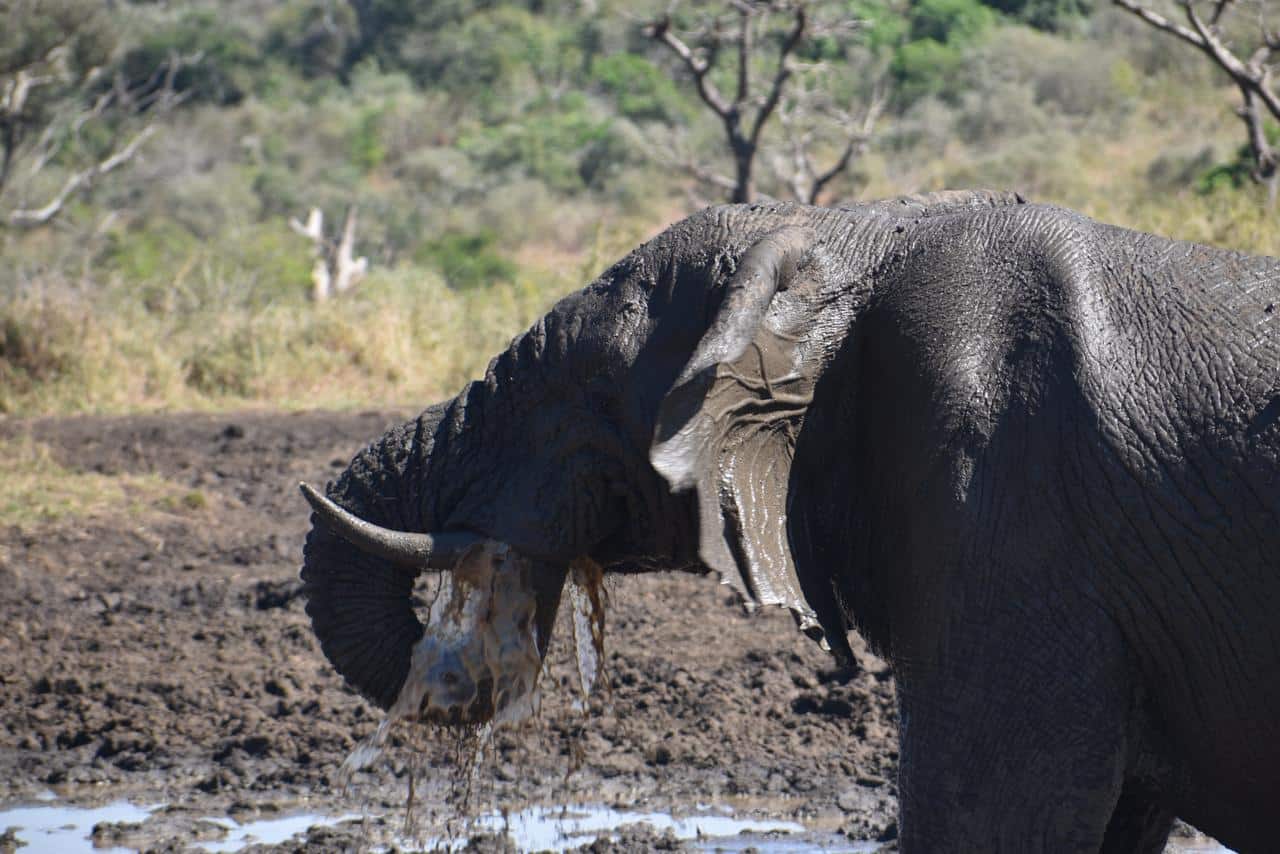
Let's Discuss how to Find Wildlife in the Hluhluwe-iMfolozi Park
A field guide to tracks, alarm calls, weather, animal behaviour and responsible wildlife viewing.
Finding wildlife in Hluhluwe-iMfolozi Park is not simply a matter of driving until an Elephant or Lion appears beside the road. An experienced safari guide is constantly collecting information. A track in soft sand, a fresh branch broken above head height, an impala staring into a thicket or a sudden change in birdsong may all become part of the same unfolding story.
The skill lies in noticing small clues, judging how recent they are and combining them with knowledge of the park's roads, rivers, habitats and seasons. Some clues lead to a memorable encounter; others fade into the bush. Wildlife remains free to move wherever it chooses, which is precisely what makes a genuine authentic safari just so rewarding.
Quick Answer: Safari guides find wildlife by combining recent sighting information with tracks, spoor, dung, feeding signs, alarm calls, bird activity, weather, wind direction, water availability and knowledge of animal behaviour. No single clue guarantees a sighting. The guide's real skill is deciding which clues are fresh, how they connect and how to approach an animal without disturbing it.
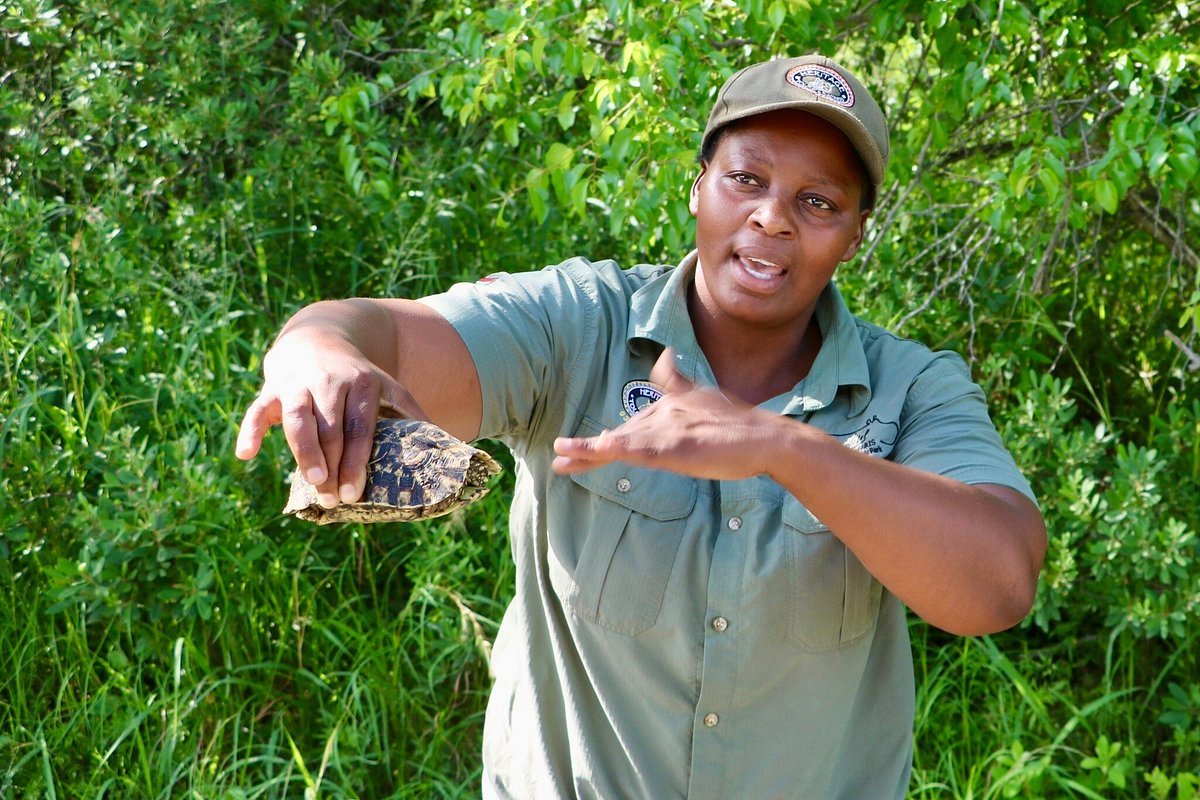
Expert contribution: This article was developed with input from Quentin Muir and experienced Heritage Tours & Safaris field guides who regularly work in Hluhluwe-iMfolozi Park. Their practical contribution includes wildlife tracking, animal behaviour, birdlife, guest safety and responsible open-game-drive guiding.

A Safari Begins With Information
Before entering the park, guides build a starting picture. They consider the previous day's sightings, reports from colleagues, recent rain, temperature and the time at which the gates open. If lions were seen near a river crossing the previous afternoon, the area may be worth checking at first light. If elephants were moving steadily towards a different section, the guide may plan a route that intersects their likely direction.
Recent information is useful, but it is never a reservation. A predator can cover a large distance overnight, while a herd may change direction because of water, food, noise or other animals. Good guides treat yesterday's sighting as one clue rather than a promise.
Reading Tracks and Spoor
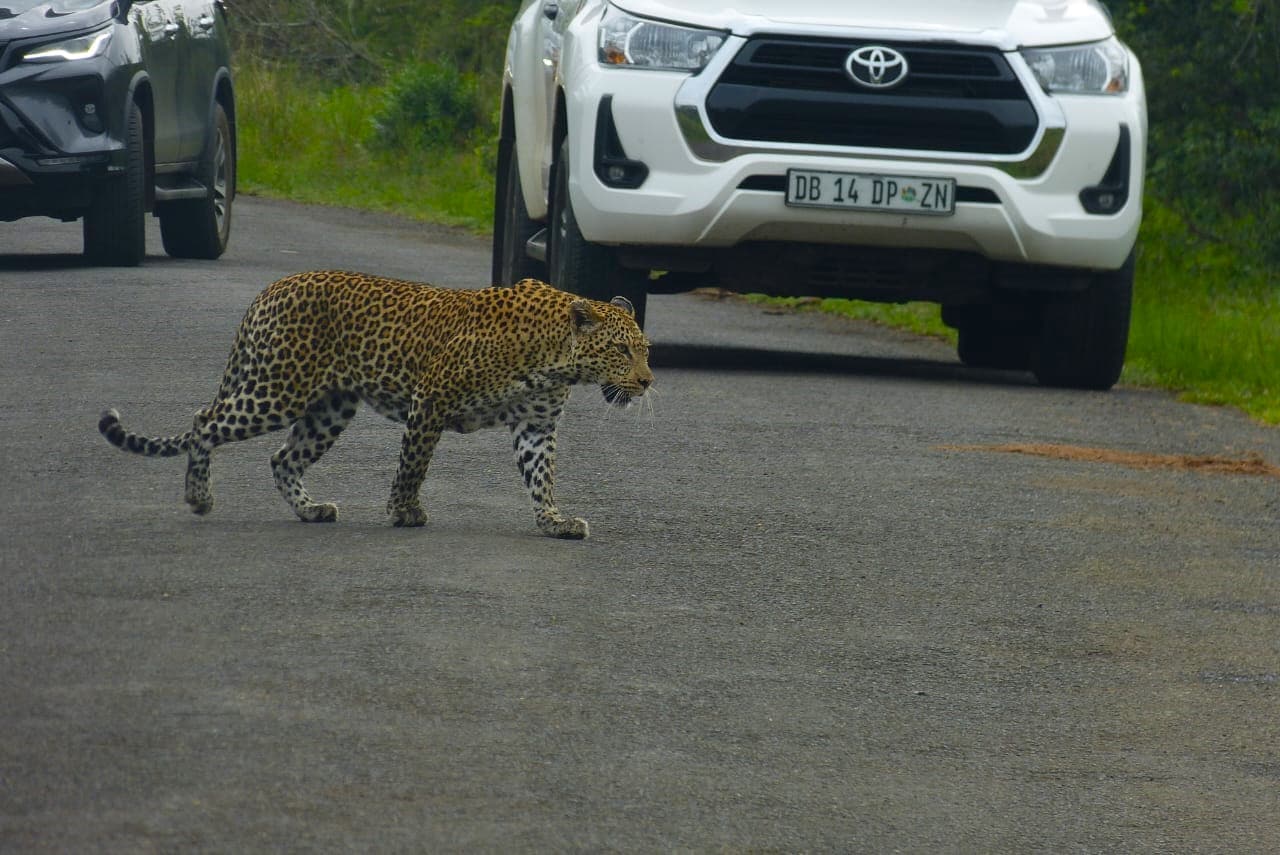
Tracks are among the clearest signs that an animal has used a road, riverbank or game path. Guides look at the shape, size and arrangement of prints to identify the species and direction of travel. A rounded cat print differs from the longer outline of a hyena, while elephant, rhino, buffalo and antelope each leave recognisable patterns. The complete collection of signs left by an animal is often called spoor.
Identification is only the beginning. The edges of a fresh track may remain sharp, whereas an older print becomes softened by wind, insects, vehicles or later footprints. Moisture, dust, fallen leaves and the position of the sun can all affect interpretation. A track crossing a road may indicate where an animal went, but the guide must judge whether it passed minutes or many hours earlier.
Dung, Feeding Signs and Broken Vegetation
Dung can reveal the type of specie, diet and how recently an animal occupied an area. Fresh elephant dung, for example, may still hold moisture and warmth, while scattered plant material can show what was being eaten. The guide also looks beyond the ground. Bark stripped from a tree, freshly broken branches, trampled grass or mud rubbed onto a trunk may indicate the size and direction of an animal.
These signs become more valuable when they agree. Large tracks, wet dung and newly broken vegetation pointing in the same direction suggest a much stronger trail than any one clue alone.
Listening for Alarm Calls
The bush often announces a predator before it becomes visible. Impala, nyala, monkeys and some birds produce distinctive alarm calls when they detect danger. A guide listens for the type, urgency and direction of the sound. One isolated snort may have several explanations; repeated calls from animals focused on the same thicket deserve closer attention.
Silence can also be informative. A lively area that suddenly becomes still may indicate that something has changed. Guides pause, switch off the vehicle where appropriate and allow the natural soundscape to return. Patience is important: moving too quickly can drown out the very clues needed to locate an elusive lion, leopard or wild dog.

Watching Birds and Other Animals
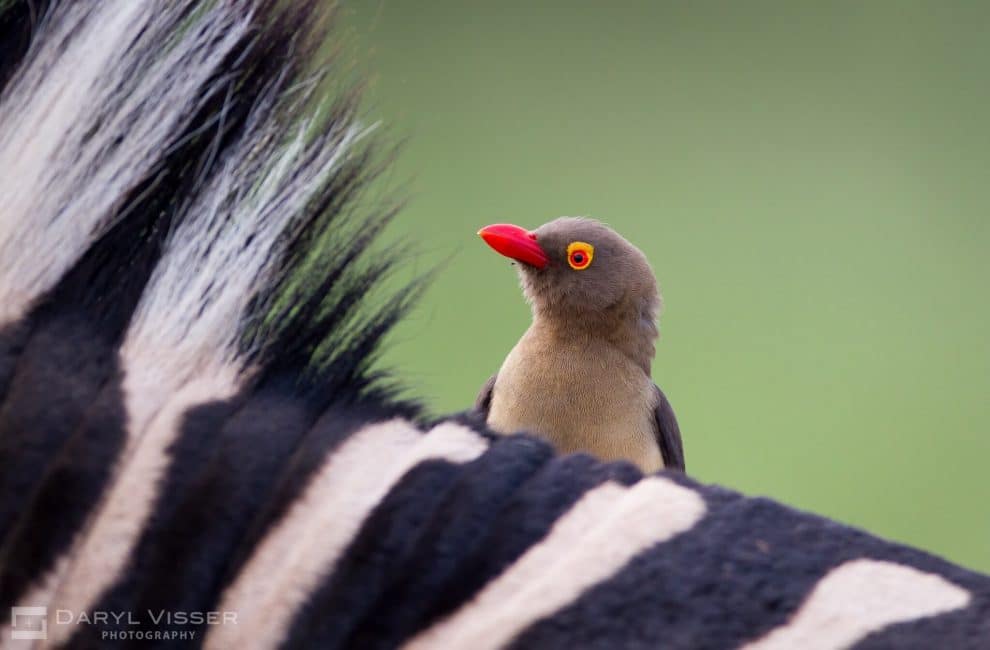
Birds are not merely additions to a safari checklist. Vultures circling or gathering may draw attention to a carcass, although they can also be travelling on rising air. Oxpeckers reveal the presence of large mammals hidden behind vegetation because they feed on animals such as buffalo, rhino and giraffe. Ground birds taking flight or small birds mobbing a particular branch may also indicate movement or a perched predator.
Guides watch the posture of mammals as carefully as their calls. Several antelope staring in one direction, a giraffe standing unusually alert or a herd bunching together can provide a line of attention into thick bush. The reaction must still be interpreted carefully; animals respond to many disturbances, not only predators.
Wind, Weather, Water and Time of Day
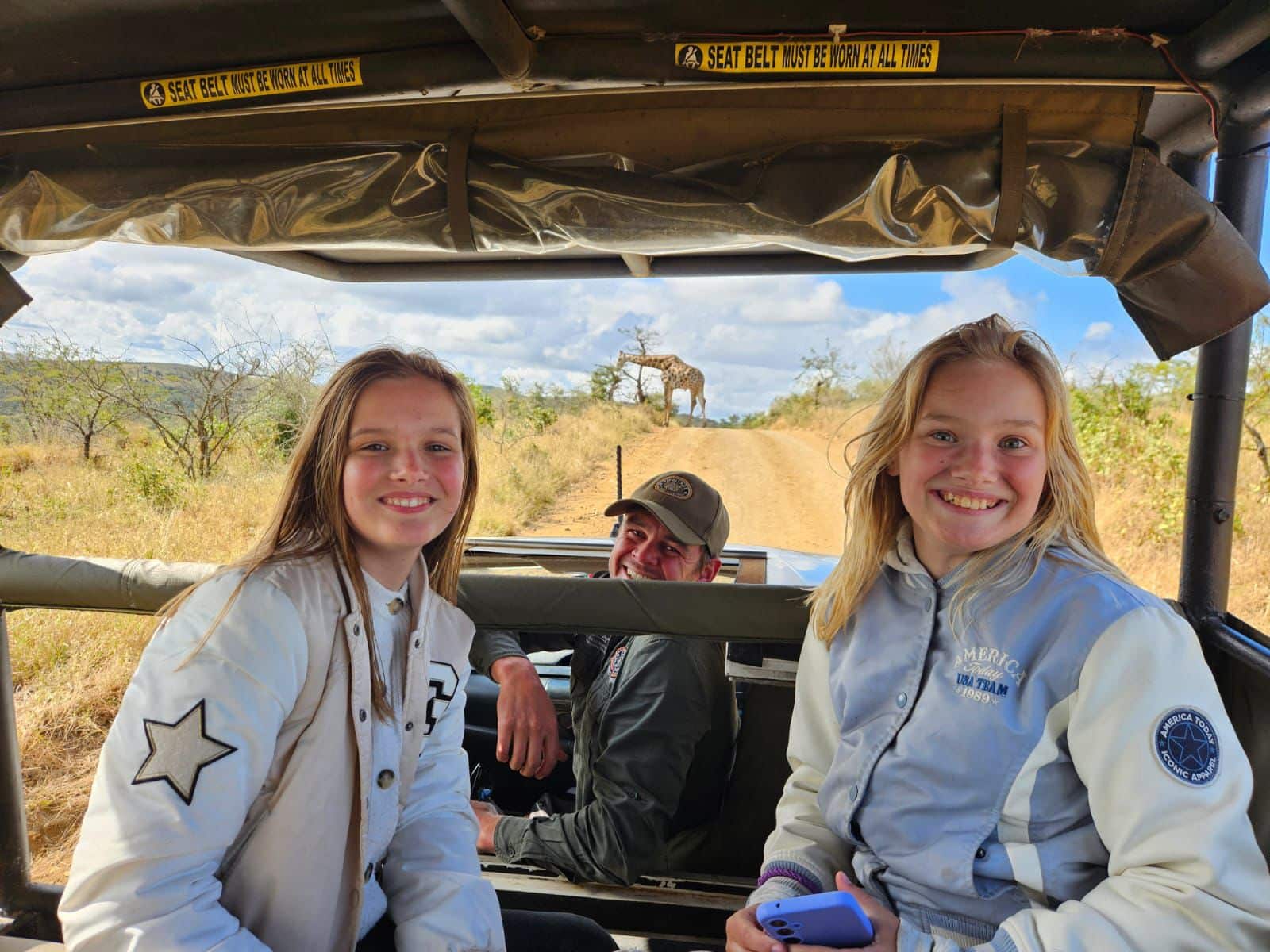
Wildlife movement changes with conditions. On cool mornings, predators may remain active after sunrise and grazing animals often feed in open areas. As temperatures rise, many species move towards shade, water or denser vegetation. After rain, tracks may become easier to read in soft ground, but animals can spread out when water is widely available. During drier periods, rivers, pans and dependable waterholes become more influential.
Wind direction matters because animals rely heavily on scent. Guides consider whether the wind may carry vehicle noise or human scent towards wildlife, especially at a sensitive encounter. They also use the position of the sun, prevailing weather and likely resting places to decide which side of a valley, river or ridge deserves attention.

Knowing the Habitats of Hluhluwe-iMfolozi Park
The Hluhluwe-iMfolozi Park contains rolling hills, open grassland, thornveld, river systems and dense thickets. Different species use these habitats in different ways. Cheetahs benefit from more open country, leopards favour cover, and elephants may move between water, feeding areas and shade. Knowledge of the landscape helps a guide select a productive route rather than driving randomly.
Local experience is especially valuable because the same road changes through the year. Grass height, flowering trees, flowing rivers, burnt areas and rainfall can transform where animals feed and how easily they can be seen.
Combining Clues Instead of Chasing One Sign
Professional tracking is a process of testing possibilities. A guide may follow fresh tracks, then stop when the spoor leaves the road. An alarm call farther ahead may support the original direction, while relaxed animals in another area may suggest that the predator has already moved. Each new observation either strengthens or weakens the working theory.
Knowing when to abandon a trail is part of the skill. Spending the entire morning pursuing one animal can cause guests to miss elephants, rhinos, buffalo, giraffes, birds and other activity elsewhere. Experienced guides balance persistence with the wider safari experience.
Communication Between Guides
Guides share useful sightings and road conditions with colleagues, allowing vehicles in different parts of the park to build a broader picture. Communication should improve the experience without creating a rush. Responsible teams avoid broadcasting sensitive wildlife information unnecessarily and do not form tight convoys that block roads or surround animals.
When several vehicles approach the same sighting, cooperation becomes essential. Guides take turns, leave space and position vehicles so that wildlife retains a clear route.

Approaching Wildlife Responsibly
Finding an animal is only half the guide's responsibility. The approach determines whether the encounter remains calm and respectful. Before moving closer, the guide considers the animal's direction, behaviour, nearby young, escape routes, vegetation and other vehicles. The vehicle should never pressure an animal into changing direction merely to improve a photograph.
Elephants may communicate discomfort through posture and changes in behaviour. Predators may be resting, feeding or protecting young. A guide who recognises these signals can wait, reposition or leave. Sometimes the most professional decision is to give the animal more space, even when guests would like to remain. Safety and animal welfare always come before a sighting. The Hluhluwe Imfolozi Park is managed by Ezemvelo KZN Wildlife.
Explaining Behaviour, Not Only Naming Animals
Once wildlife is found, the experience becomes richer when guests understand what they are seeing. A guide may explain why elephants are dust-bathing, why antelope remain alert at a waterhole, how herd position offers protection or why birds follow large mammals. Behaviour connects the sighting to food, water, communication, family structure, territory and survival.
This interpretation turns a brief observation into a memorable lesson. It also encourages guests to slow down. Wildlife watching is often at its best when the vehicle remains quiet and the animals are allowed to continue naturally.
Why Experience Still Matters
Technology, radios and recent sighting reports can assist, but they cannot replace field experience. Guides build knowledge through repeated observation: how a particular valley carries sound, where animals cross after rain, which plants are fruiting and how routes change between seasons. They also continue learning from colleagues, researchers, trackers and unexpected behaviour.
Even an experienced guide will sometimes say, 'I am not certain.' That honesty is a strength. The bush does not follow a script, and responsible guiding depends on curiosity rather than pretending that every sound or track has an immediate answer.

Why More Time Can Improve a Safari
A longer safari gives the guide more opportunities to visit different habitats, respond to changing conditions and wait at promising locations. It also allows time to enjoy smaller details between major sightings. More time does not guarantee the Big Five, but it gives the tracking process room to unfold without turning the day into a race.
Whether guests choose a full-day or shorter drive, the quality of the experience depends on realistic expectations, patience and respect for a wild reserve.

A Landscape Full of Clues
The best wildlife sightings often appear to happen by chance, yet a great deal of observation may have led to that moment. Tracks, scent, dung, birds, alarm calls, weather and animal posture gradually narrow the possibilities until the landscape reveals something extraordinary.
A skilled safari guide does more than locate animals. The guide reads the environment, protects the safety and comfort of guests, respects other visitors and ensures that wildlife is observed without unnecessary disturbance. That combination of knowledge, patience and responsibility is what transforms a drive through Hluhluwe-iMfolozi Park into a genuine safari experience.